Understand the Tests
See the standard rheology tests used to evaluate organoclay in drilling fluid.
Technical Resource Page
Organoclay performance in oil-based and synthetic-based drilling fluid is evaluated with standard rheology testing: plastic viscosity and yield point, gel strength at 10-second and 10-minute intervals, low-shear-rate viscosity, and hot-roll aging for thermal stability. This page explains what each test evaluates and connects common buyer problems to the right test before you request TDS or samples.

Quick Technical Answer
This page helps buyers and formulators quickly:
See the standard rheology tests used to evaluate organoclay in drilling fluid.
Connect a viscosity, gel strength, or suspension question to the right test.
Understand the viscometer, mud balance, and roller oven used in testing.
Get help interpreting lab results before finalizing grade selection.
Why It Matters
Organoclay performance depends on grade, base oil, mud weight, temperature, and mixing energy, so lab testing is the only reliable way to confirm a formulation before field use. Standard rheology tests are commonly run following industry practices such as API RP 13B-2 for oil-based drilling fluids, giving buyers and formulators a consistent way to compare results across batches and grades.
This page connects the main tests to what they evaluate, then routes common buyer problems to the right test and the current TDS for the organoclay grade under review.
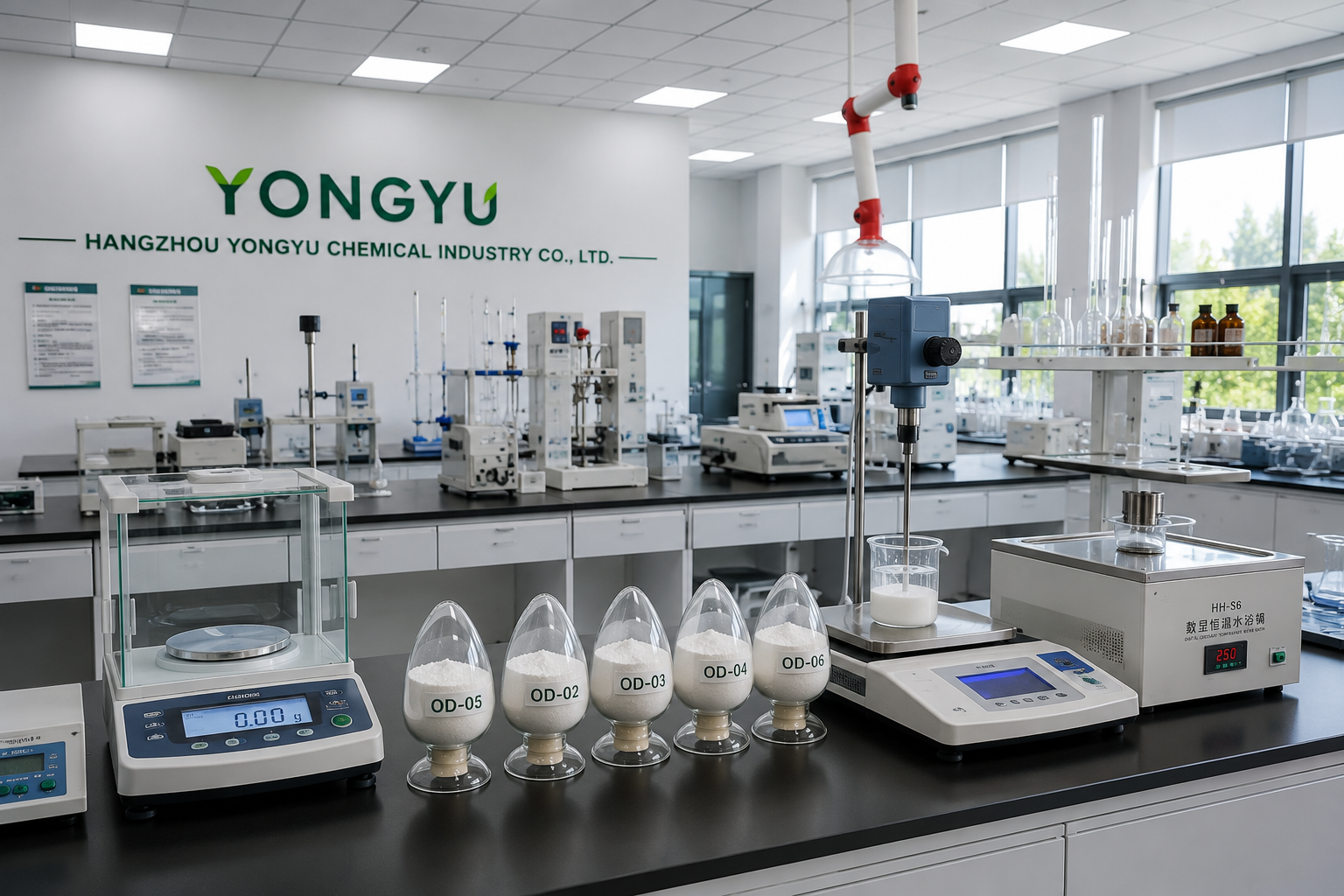
Testing Methods
These are the standard tests used to evaluate organoclay in oil-based and synthetic-based drilling fluid. Values are not published here; confirm results for your system through testing and the current TDS.
| Test method | What it evaluates | How it is run |
|---|---|---|
| Plastic viscosity (PV) test | Flow resistance of the fluid itself | Rotational viscometer, standard 600/300 RPM readings |
| Yield point (YP) test | Cuttings transport and hole cleaning | Calculated from viscometer readings |
| Gel strength test (10s / 10min) | Static suspension and thixotropic recovery | Rotational viscometer at rest intervals |
| Low-shear-rate viscosity (LSRV) | Solids carrying at low pump rates | Low-RPM viscometer readings (6/3 RPM) |
| Hot-roll aging | Rheology stability after thermal exposure | Roller oven at target well temperature |
Match Problem to Test
Use this table to connect a common buyer concern with the right test and the practical note to keep in mind.
| Buyer concern | Recommended test | Practical note |
|---|---|---|
| Viscosity or flow behavior concern | Plastic viscosity and yield point test | Compare against target rheology window |
| Suspension or barite sag concern | Gel strength and low-shear-rate viscosity test | Check both 10s/10min readings and LSRV |
| High-temperature or HPHT concern | Hot-roll aging then re-test rheology | Match aging temperature to the well program |
| Batch-to-batch inconsistency | Repeat full rheology profile under matched conditions | Standardize mixing procedure before comparing results |
Related Resources
Continue to these pages for step-by-step guidance and problem-specific detail.
Step-by-step viscosity control method.
Resource How to Improve Suspension in Drilling FluidStep-by-step suspension improvement method.
Resource Viscosity and Yield Point ControlProblem/solution page for viscosity and yield point.
Resource Gel Strength and ThixotropyProblem/solution page for gel strength and thixotropy.
Product Direction
Only approved OD-series grade paths are shown. Final selection should be confirmed with current TDS, sample testing, and technical review.
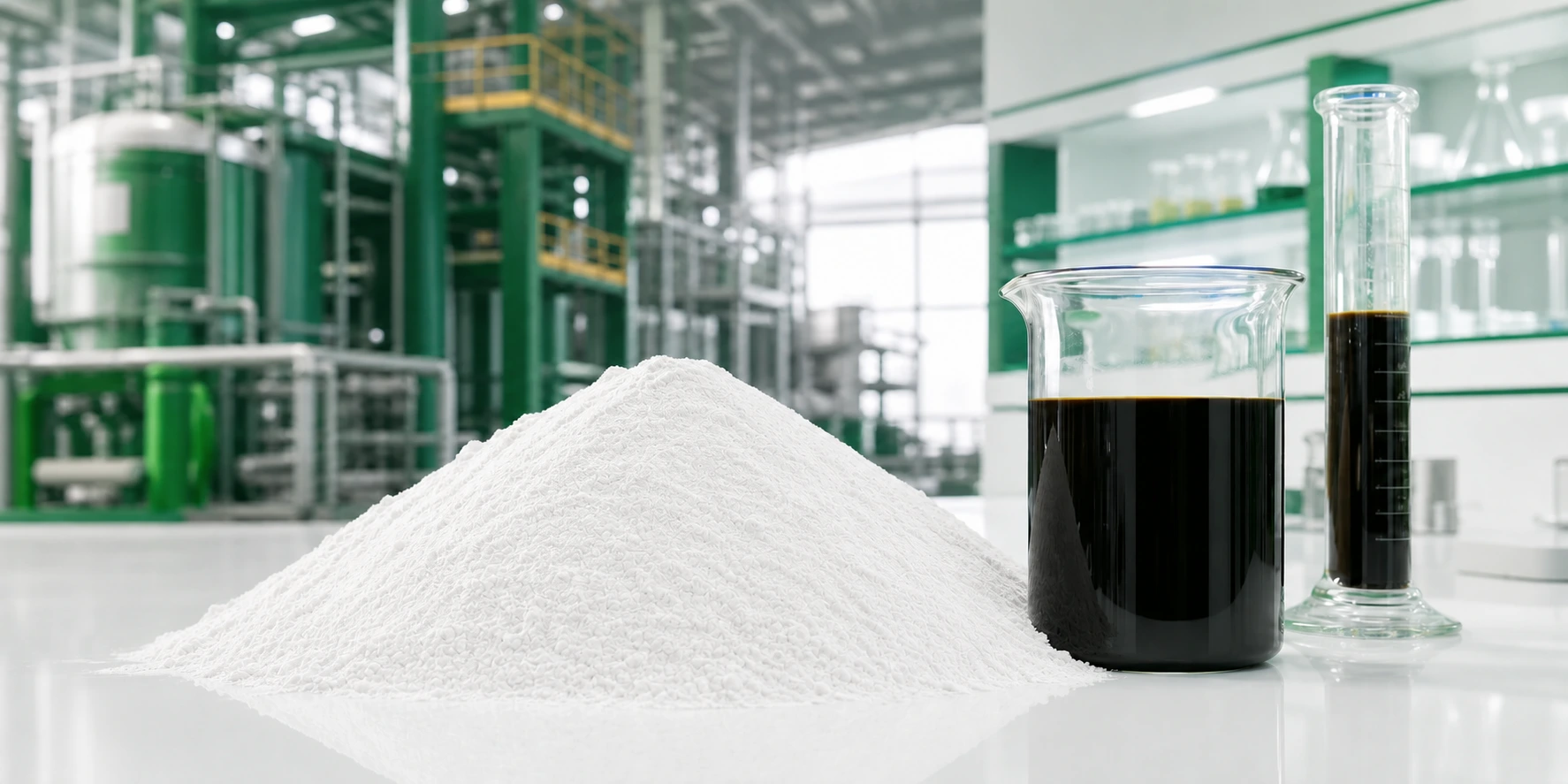
Primary oil-based mud viscosity path for OBM buyers.
View Product General organophilic clay drilling-grade category for OBM and SBM.
View Product Severe-condition grade path for HPHT testing and review.
View Product Compare approved OD-series grade paths before testing a formulation.
Compare Grades
Manufacturer Direct Supply
HANGZHOU YONGYU CHEMICAL INDUSTRY CO., LTD. is presented in the approved project brief as a manufacturer established in 2005, with annual capacity of 25,000 tons per year. The team supports grade selection, export communication, document requests, sample evaluation, and quotation discussion for international oilfield chemical buyers.
Approved procurement facts include 25 kgs/bag packaging, MOQ of 1,000 kgs, and lead time of 7-10 working days after receiving deposit.
Technical Documents
Use these document paths to support test planning, safety review, procurement approval, and sample testing.
Review current technical information before test planning, internal approval, or supplier comparison.
Download / Request SDS / MSDSSupport safety, handling, compliance, and procurement document review before ordering.
Download / Request COAAsk for COA support where available when sample or batch-level quality review is required.
Download / Request Sample RequestShare your fluid system and testing plan for evaluation guidance.
Request SampleBuyer Questions
Organoclay performance in oil-based and synthetic-based drilling fluid is typically evaluated with standard oilfield rheology testing: plastic viscosity and yield point on a viscometer, gel strength at 10-second and 10-minute intervals, low-shear-rate viscosity, and hot-roll aging for thermal stability. These tests are commonly run following industry practices such as API RP 13B-2 for oil-based drilling fluids. Final results depend on the grade, base oil, mud weight, temperature, and mixing procedure used in your own formulation.
Plastic viscosity and yield point are read on a standard oilfield rotational viscometer, typically at 600 and 300 RPM readings, following the fluid system's standard test temperature. Plastic viscosity reflects flow resistance and yield point reflects the structure that carries cuttings. Results should be compared against the target rheology window for your mud design and confirmed with the current TDS for the organoclay grade used.
Gel strength is tested by leaving the fluid at rest for 10 seconds and again for 10 minutes, then reading the force needed to break the gel structure on a viscometer. The two readings show both the initial and progressive gel behavior, which helps evaluate suspension and thixotropic recovery. Testing at your target mud weight and temperature gives the most representative result before finalizing a formulation.
Standard oilfield rheology testing uses a rotational viscometer for plastic viscosity, yield point, and gel strength readings, along with a mud balance for density and a roller oven for hot-roll aging at elevated temperature. Laboratories evaluating organoclay performance typically run these tests at the target mud weight, base oil, and temperature for the well design before confirming grade selection.
Request technical support when you are evaluating a new organoclay grade, switching base oil or fluid system, troubleshooting a viscosity or suspension issue, or preparing for a formal formulation approval. Share your fluid system, base oil, mud weight, temperature, and current test readings so the team can help interpret results and recommend a grade or dosage adjustment.
Yes. Samples are available for buyer evaluation when the request includes enough technical context. Share your fluid system, base oil, mud weight, temperature, target rheology profile, expected quantity, destination country, and required documents. The team can then confirm whether to start with TDS review, a mix test sample, quotation support, or a grade recommendation.
Bottom CTA
Send your fluid system, base oil, mud weight, temperature condition, current test readings, and document requirements. The technical team can help interpret results and route you to the right OD-series grade path, TDS, sample, or quotation.